
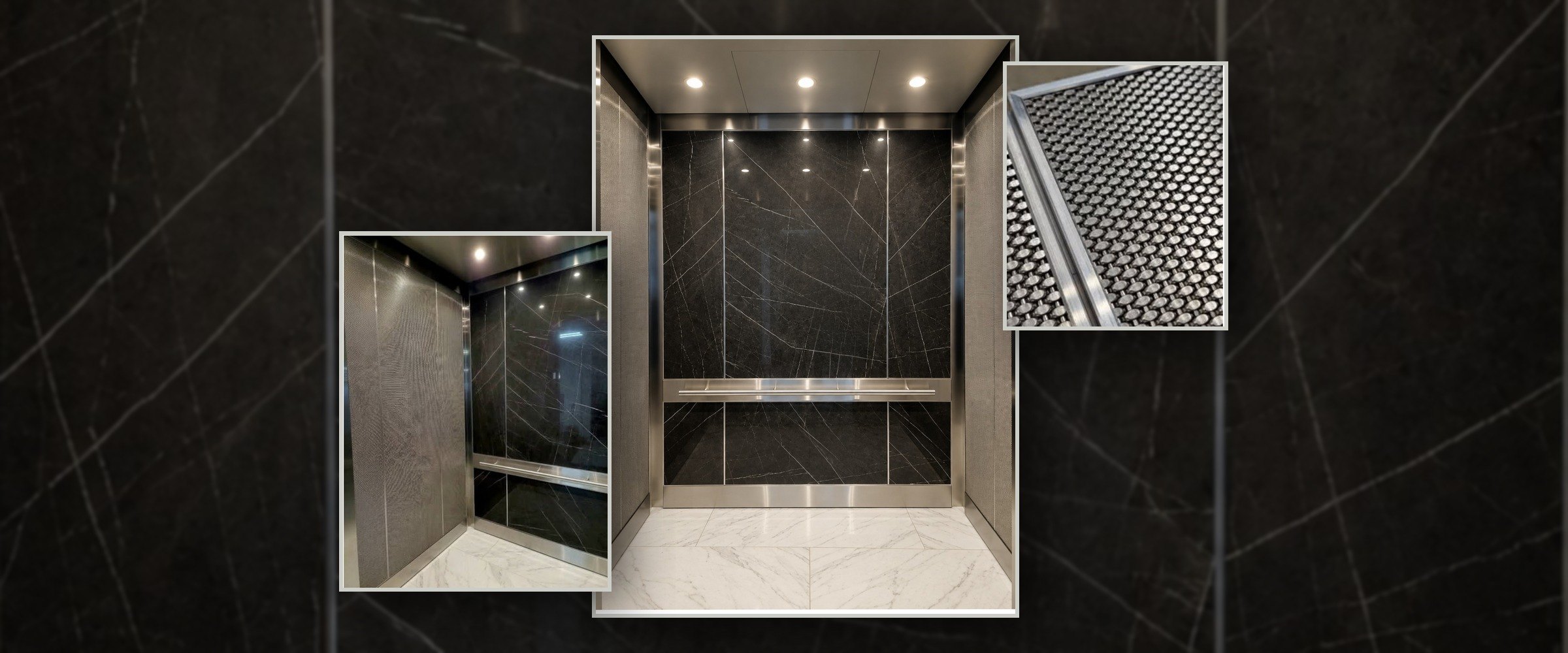
Every elevator interior starts the same way: a drawing, a finish schedule and a Section 14 27 00 that says "custom." It reads like the safe choice. On most projects it is where the trouble starts.
A fully custom interior is engineered once, for one job. Every joint, bracket and reveal is drawn from scratch, submitted, revised and resubmitted. The fabricator prices risk because nothing like it has been built. The elevator contractor prices risk because the weight is unknown until shop drawings land. The owner pays for both, then waits.
A pre-engineered package is already designed, tested and proven across thousands of cabs. The designer chooses the layout and the finishes. Nobody has to reinvent what is behind them.
What a pre-engineered package is — and is not
A pre-engineered interior is not a stock cab. It is an engineered panel system with a fixed set of layouts and an open set of finishes. CabCraft's Fusion system offers fifteen configurations, each available in any laminate, decorative metal, stone, glass or mirror, mixed by zone.
What stays fixed is how the panels are fabricated, how they attach and fasten to the cab shell, and how long they take to install — worked out once and proven job after job. What the designer controls is the layout, every panel face, the frame and trim finish, the ceiling, the handrails and any accent zone. A code-compliant material from the designer's own vendor can be checked and used.
Built by people who build elevator interiors. A cab is not a room. It moves, it flexes, it is weighed, it is inspected, and it has to survive decades of carts, luggage and vandalism. A pre-engineered package is developed by people who live with those constraints: attachment to the shell, the weight budget, flame spread and smoke development ratings, ADA handrail and clearance requirements, minimum foot-candles at the car floor, and every other requirement ASME A17.1 puts on a car enclosure. The system was designed to comply from the start, then honed over years of installations until the fit is right and the install is fast. A custom design starts that learning curve over on every job.
Where the package wins
Pricing you can trust at design development. A custom interior cannot be priced accurately until it is engineered, and it is not engineered until it is awarded. A package has a known cost per configuration and finish family, so a real number is available the day the finishes are picked.
Weight the elevator contractor can plan around. Cab weight drives counterweight, machine and safety calculations. Every interior is engineered for the specific cab shell it goes into before its final weight is set — but a package's weight is calculated from components that have been built many times before, not estimated from a one-off design. Fewer surprises at the balance test.
Code compliance already settled. ASME A17.1 governs car enclosure materials, flame spread, glass and attachment. A package has been through that once and every material in the finish library has been checked. A custom design makes the architect, the fabricator and the authority having jurisdiction work it out job by job.
Built for the people who install it. The crew putting an interior into a car is almost never a millworker or a cabinet shop. It is an elevator mechanic, inside a cab, on a modernization schedule. Pre-fabricated components that hang on concealed brackets and fit the first time are what that crew needs. A package goes in over existing walls in about a day, with no exposed fasteners, and the car is back in service — the number the owner cares about.
Fewer submittals, fewer change orders. Custom interiors generate the longest submittal cycle in the hoistway, and most interior change orders come from the unknowns they leave open: a reveal that fights the door jamb, a panel too heavy for the shell, a finish that fails flame spread. A package submittal is a configuration sheet, a finish schedule and standard details already approved elsewhere. The unknowns are gone before the contract is signed.
Design freedom where it counts. Fifteen layouts, five material families and matching frame finishes yield thousands of combinations. The lobby still looks like nothing else in town; it just does not need new engineering to get there.
The design intent survives
The usual objection is that a package will not match the architect's vision. In practice the vision lives in the finishes, the proportions and the light — not in the bracket behind the panel. Pick the configuration whose lines match the elevations, put the specified stone, metal or veneer on the faces, match the frame and reveals to the trim, and the cab reads exactly as drawn.
When a package can meet the design intent, it is always the better specification: same look, known cost, predictable weight, settled code, shorter schedule. Custom engineering earns its cost only when no configuration can carry the design — a curved cab, a glass observation car, a historic match — and that is far rarer than the number of project manuals that say "custom" suggests.
How to specify one
Specifying a package is simpler than specifying custom, because the system already has a name, a data sheet and a finish library.
- Call out the system and configuration in Section 14 27 00 (for example, "CabCraft Fusion Interior System, configuration PC-10 Pinnacle"), with "or approved equal" language if the project requires it.
- Attach a finish schedule that names each zone and its material, and the configuration data sheet.
- Reference the manufacturer's standard details for attachment to the cab shell instead of drawing them.
CabCraft's free Spec Writer does all of this in about ten minutes: pick a layout, tap each numbered component to select its finish, and download Section 14 27 00 in Word, a finish schedule in Excel, elevations in PDF and DXF, and the configuration data sheet. No account required.
The next time a project manual says "custom elevator cab interior," ask whether it needs to. If a package can carry the design, the better spec is the one that has already been built.
Recent news
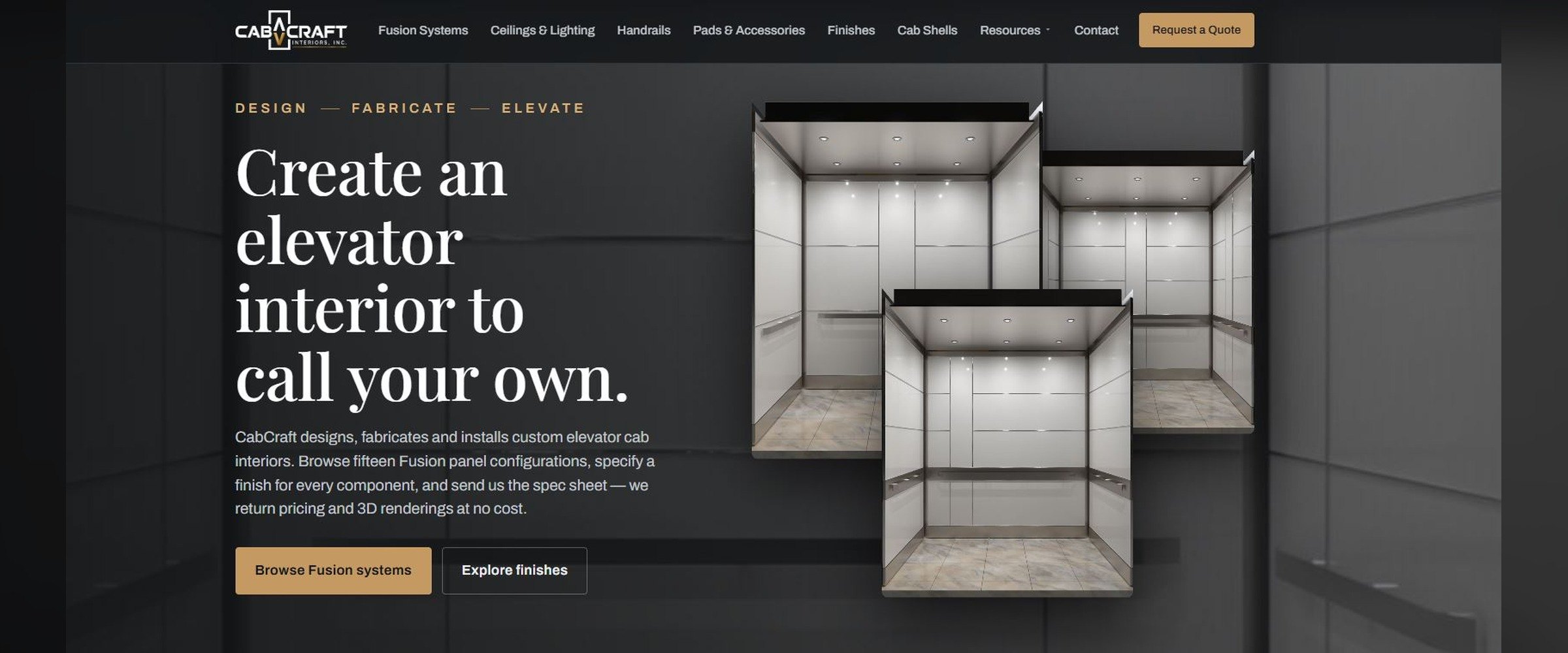
CabCraft.com Just Took Things to the Next Level
Pick a pre-engineered interior system, specify your finishes, get fast, accurate pricing — plus custom cab shells and a free Spec Writer for design professionals.
Read more →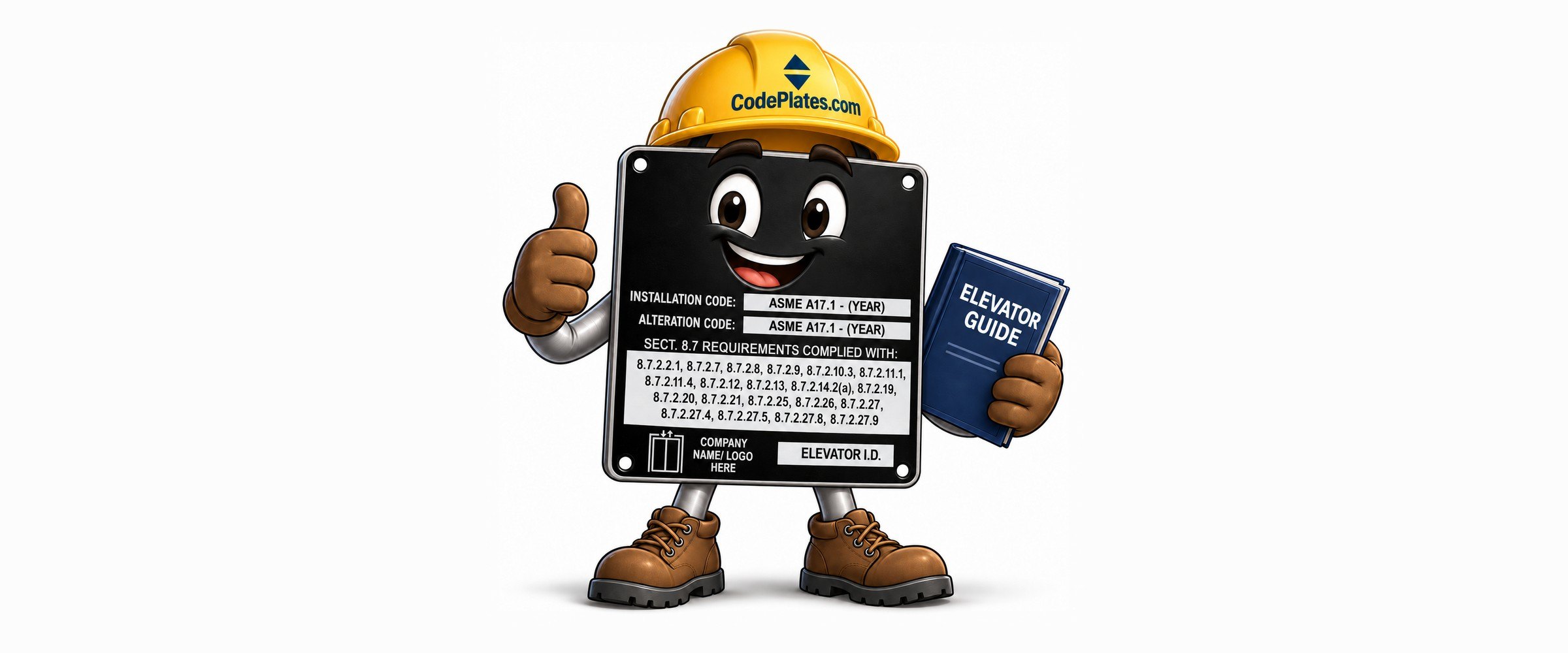
CodePlates.com Introduces Codey, an Online AI Elevator Code Expert
Codey answers questions on ASME A17.1-2022 and the A17.2-2023 inspection guide, builds the alteration checklist and helps check a plate for errors before it is ordered.
Read more →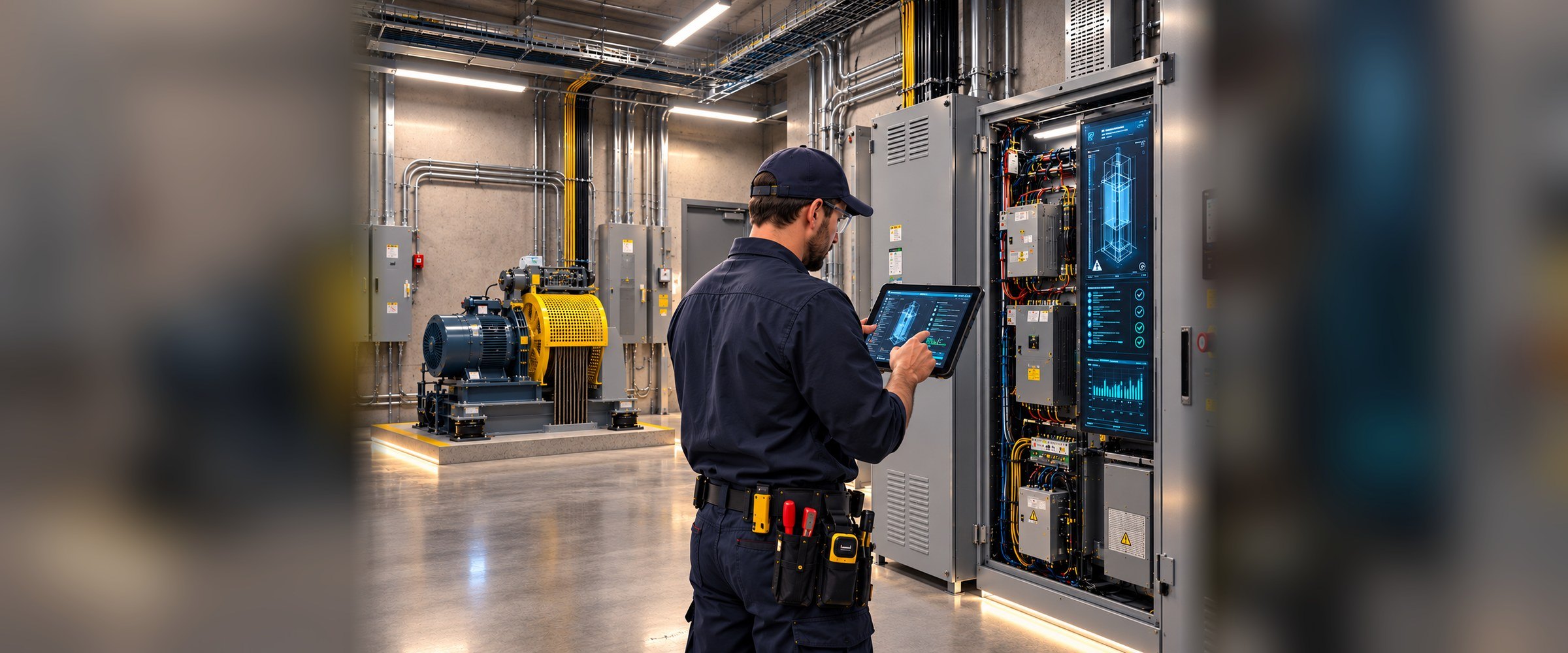
AI Won't Replace the Elevator Mechanic. Here's What It Will Change.
What AI is already doing in the machine room, what is coming next, and what ASME A17.1-2022 already says about connected and software-driven equipment.
Read more →