
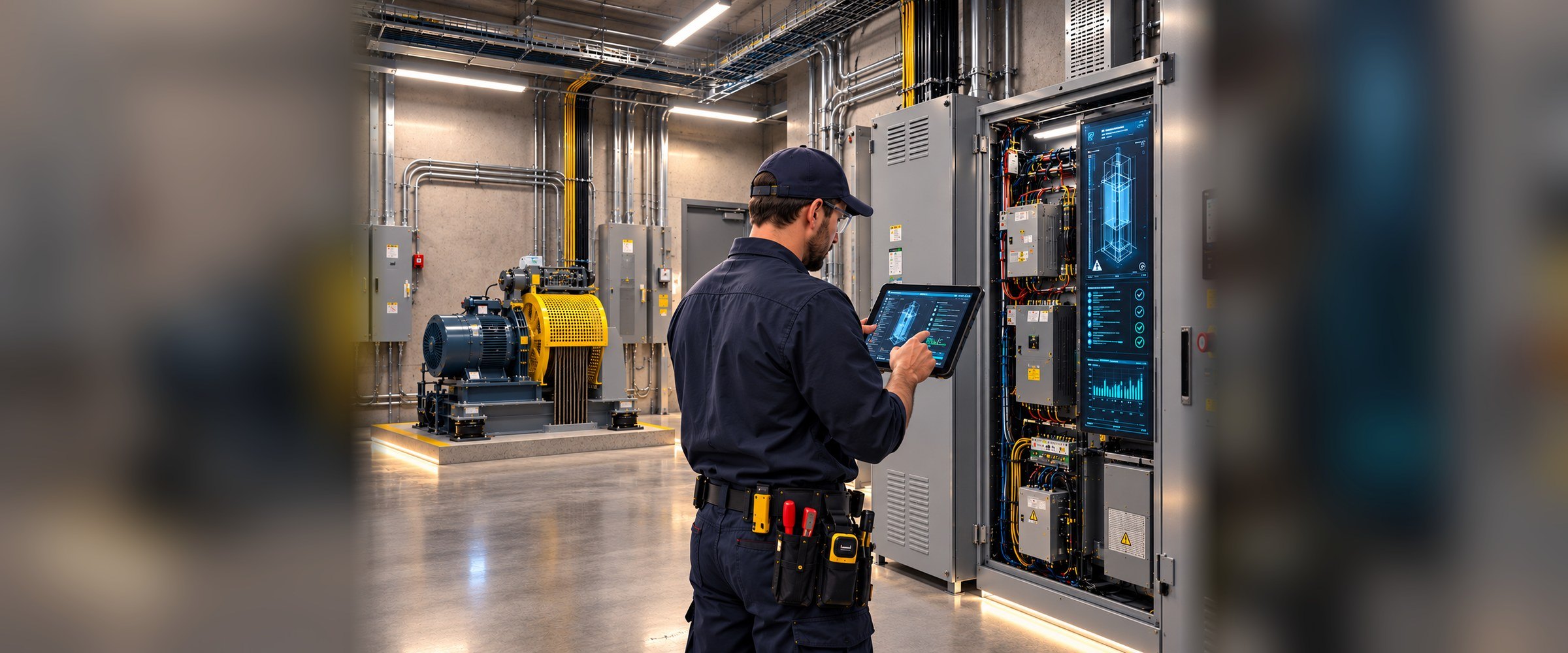
Artificial intelligence is already in the machine room. In a 2026 survey by Elevator World and FieldBoss, a third of technicians said they use AI tools in their daily work. At the same time, the U.S. Bureau of Labor Statistics projects 6% growth in elevator mechanic jobs from 2025 to 2035. Both are true because AI is changing how the work gets done, not who does it.
What's real today
- Connected elevators. The major manufacturers all run monitoring platforms (Otis ONE, KONE 24/7 Connected Services, TK Elevator's MAX, Schindler Ahead). They collect door cycles, trips and fault codes, look for patterns in the cloud, and alert a technician before a failure turns into a callback.
- Diagnosis before the drive. Mechanics can pull the fault log on their phone, see whether the unit is really down, and order the part before they reach the building.
- Robots in the hoistway. Schindler's R.I.S.E. robot drills and sets anchor bolts using layout data from the building model, and it has worked on towers in Vienna, Dubai, Shanghai and Singapore.
- Answers on demand. AI assistants answer code and troubleshooting questions, help new hires ramp up, and capture what senior technicians know before they retire.
What's coming
The same survey ranked remote diagnostics and repair guidance as the most valuable use, with predictive maintenance close behind. Expect AI to take on more of the triage, scheduling and paperwork: sorting callbacks by likely cause, matching the right technician to the job, and checking maintenance records, plates and tags before the inspector arrives. A17.1 already anticipates some of this. Nonmandatory Appendix N lists which inspection items remote monitoring can supplement or replace with current technology, and which still need eyes on site.
What the code already says
A17.1-2022 has drawn clear lines around connected and software-driven equipment:
- Cybersecurity (Section 8.14). Any internet-connected device attached to a controller, or a controller with its own connection, needs security features on every path to the internet, including a certified secure development process and testing to IEC 62443 (8.3.16). An alteration that adds or changes such a device must meet it too (8.7.1.12).
- Remote interaction operation (2.26.13). Off-site systems may place calls and adjust automatic-operation features such as the parking floor or door dwell time. They may not touch inspection operation, firefighters' emergency operation, standby power, electrical protective devices or door reopening devices. Where it is provided, a "REMOTE INTERACTION OPERATION PROVIDED" sign is required on the controller or the inspection and test panel (2.26.13.1).
- Safety software (2.26.1.7 and 2.26.9.3.2). Software that performs safety functions carries a unique software identifier. Software used to guard against single failures must either be backed by an independent non-software means of stopping the machine or be certified to a safety integrity level under IEC 61508.
In short: AI can advise, predict and schedule, but anything that touches the safety chain has to meet these rules first.
What it means for contractors and inspectors
- AI makes good mechanics faster. The work is hands-on and regulated, and it stays that way.
- Treat connectivity as code work. A monitoring device on the controller brings cybersecurity requirements, documentation and, where remote interaction is provided, a required sign.
- Check the answer. AI tools can be wrong. Confirm against the code and with the authority having jurisdiction.
- Watch the standards gap. Survey respondents named the lack of standardization across manufacturers as the biggest barrier to using AI well.
Where CodePlates fits
We've put AI to work on a small but stubborn problem: getting plates right the first time. Codey, our online AI code expert, can assist with orders, help check for errors and answer your questions on A17.1-2022 and the A17.2-2023 inspection guide 24/7. Like any AI tool, Codey is a guide, and the authority having jurisdiction has the final word. CodePlates also makes the Remote Interaction Operation sign. Learn more at www.codeplates.com.
CabCraft Interiors, Inc. manufactures custom elevator cab shells and interiors on Maryland's Eastern Shore and operates CodePlates.com. This article does not constitute code interpretation; always confirm requirements with the authority having jurisdiction.
Recent news
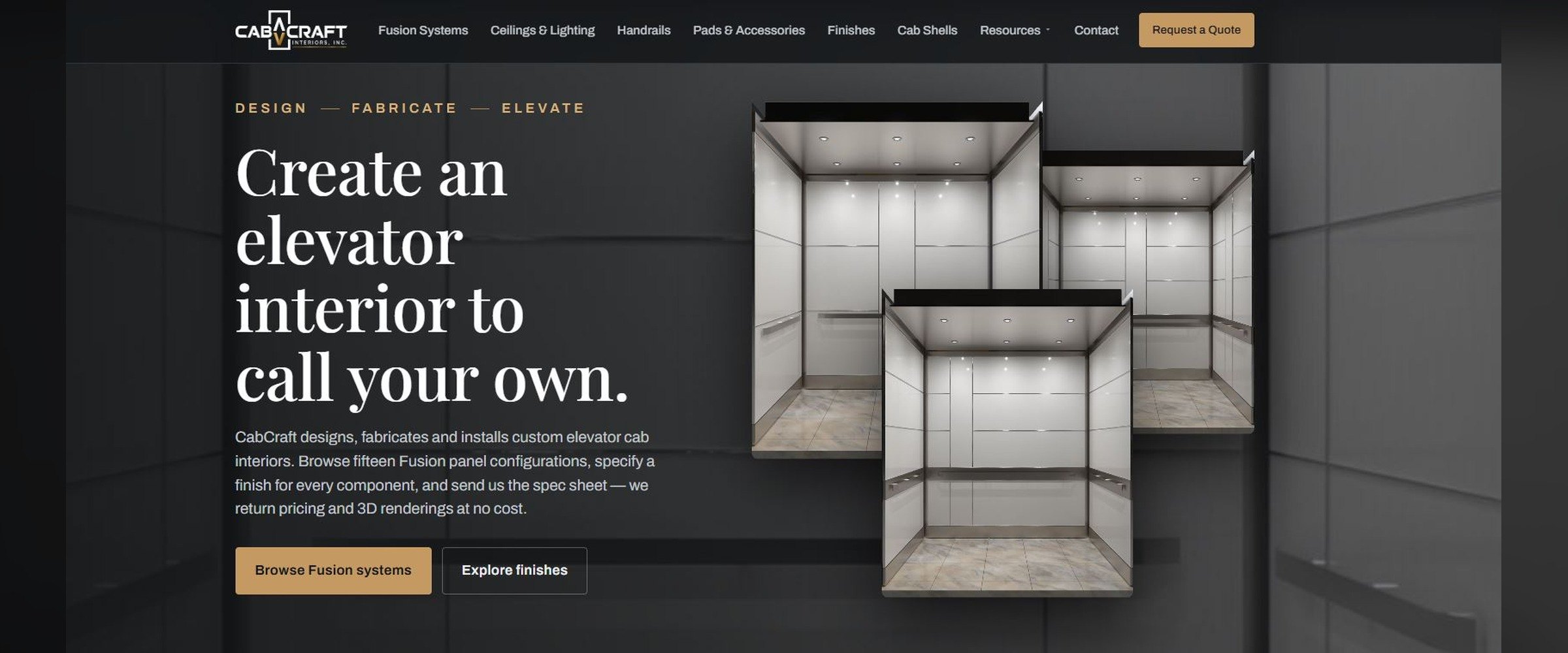
CabCraft.com Just Took Things to the Next Level
Pick a pre-engineered interior system, specify your finishes, get fast, accurate pricing — plus custom cab shells and a free Spec Writer for design professionals.
Read more →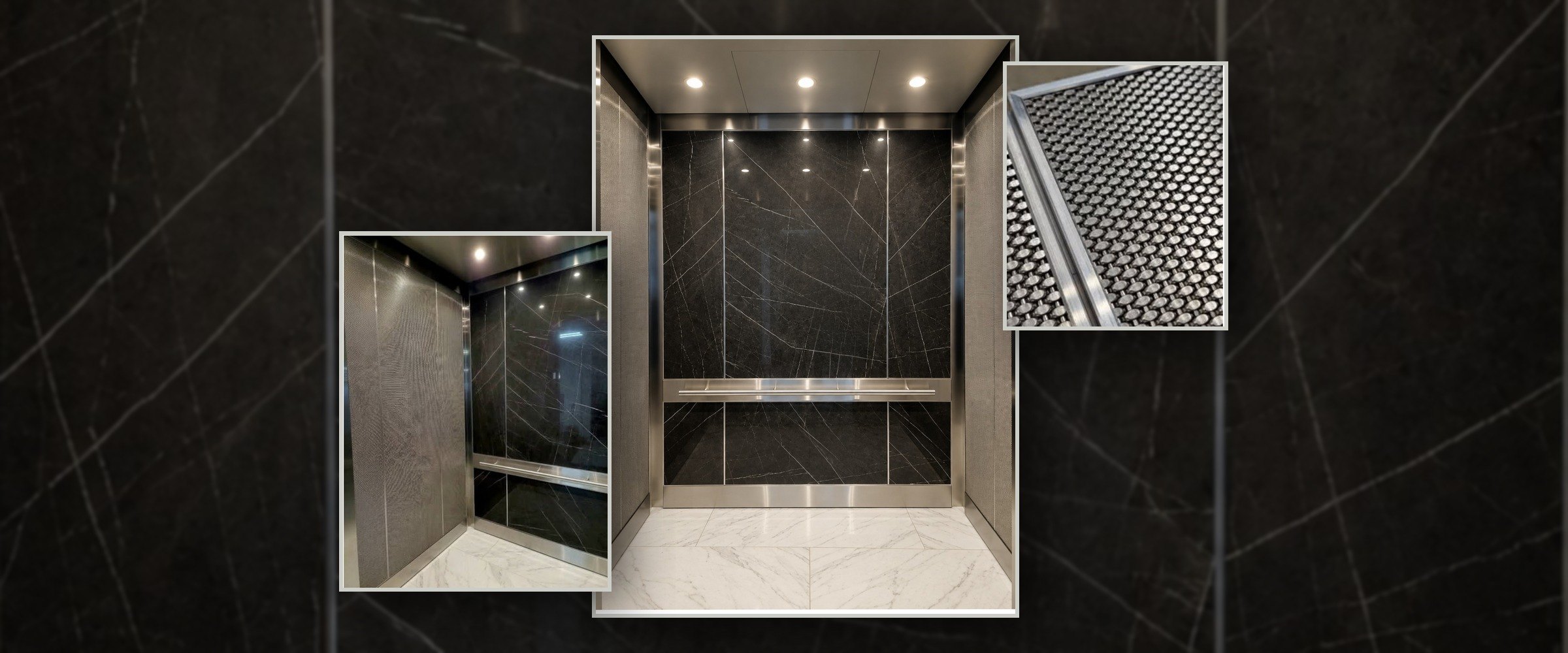
The Case for Pre-Engineered Elevator Interiors
Why a pre-engineered interior package is the better specification whenever it fits the architect's design intent — known cost, predictable weight, settled code and a one-day install.
Read more →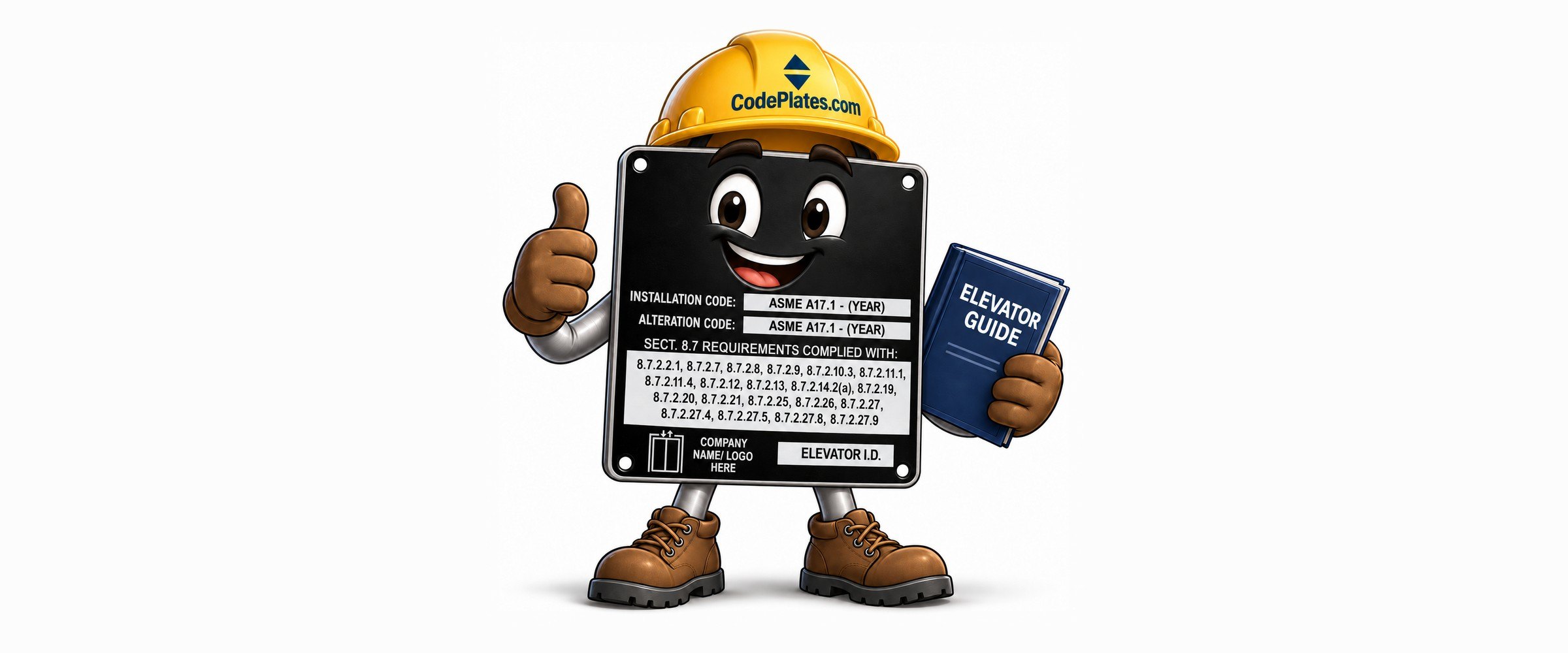
CodePlates.com Introduces Codey, an Online AI Elevator Code Expert
Codey answers questions on ASME A17.1-2022 and the A17.2-2023 inspection guide, builds the alteration checklist and helps check a plate for errors before it is ordered.
Read more →